Discovery
How record labels pitch songs to independent radio stations
The pitch to a college or community station looks nothing like the campaign for a commercial chart hit. Here is how the quieter version works.
How listeners actually find records: radio shows, record shops, blogs, DJ sets, sampling credits, liner notes and playlists made by a person.
The pitch to a college or community station looks nothing like the campaign for a commercial chart hit. Here is how the quieter version works.

The FCC's low-power FM service exists for nonprofits, schools, and tribal governments, not individuals or companies — and it only takes applications during narrow, irregular filing windows.

A weekly listening diet mixes eras, genres, formats and depth — here is a practical framework that keeps discovery and comfort both on the plate.

Forums, servers and setlist archivists keep surfacing artists years ahead of labels — the documented mechanics of fan-first discovery, and its costs.
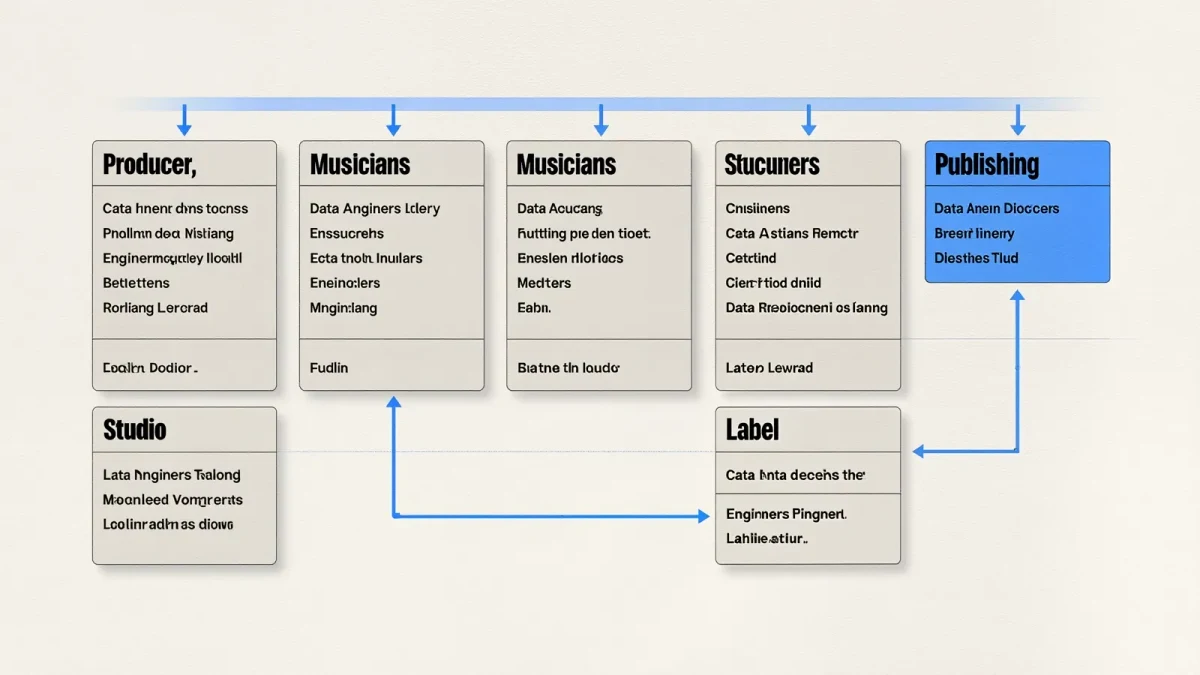
The small print is a map of the music world — producers, session players, studios and thank-yous, and how each line becomes a discovery trail.

Every format era has had its map — how city-level scenes form, why they keep out-producing the national feed, and how to follow one without living there.